Thinking of buying a holiday lodge? Before you commit, it’s worth knowing the full picture. We cover everything from the lifestyle benefits and ongoing costs, to choosing the right location and deciding between a lodge or caravan – so you can make the decision that’s right for you.
Owning a holiday lodge means holidays whenever you need them. You can bring along your family, friends and dogs, and your home comforts are always there, ready and waiting for you. So, what’s not to like?
Well, there are a few things to consider, and before you commit, it’s worth understanding the full picture: the advantages and the possible drawbacks of holiday home ownership.
To give a full overview, this guide covers the three most important aspects of holiday lodge ownership: lifestyle, location, and logistics – and we’ve tried to stay unbiased throughout!
If you want to learn more about holiday home ownership, our Buying Guide has more detail about running costs and key things to consider. For more information about ownership at Discover Parks, read our Ownership page and our overview of the Owner Lifestyle.
Part 1 – The lifestyle of owning a holiday lodge
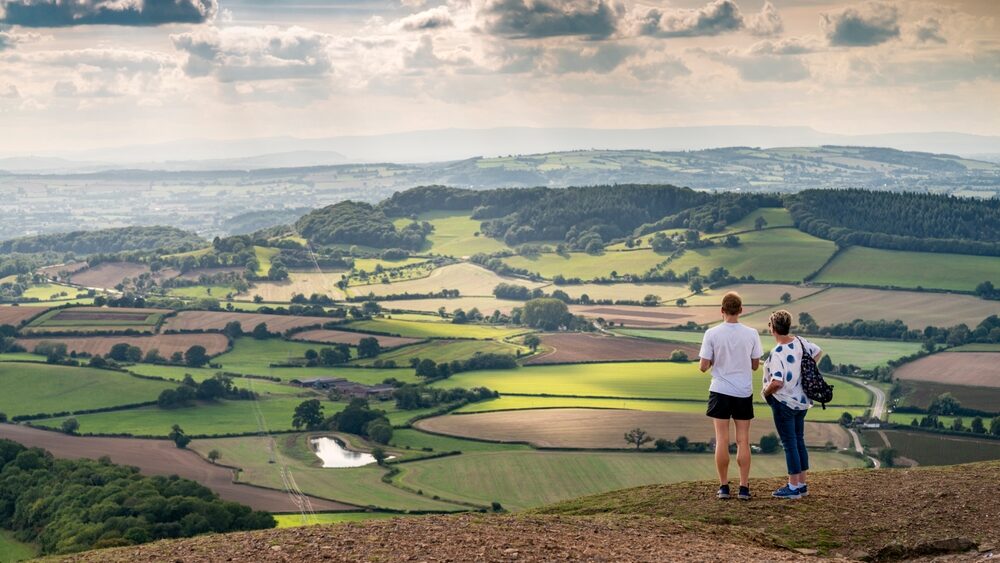
The Worcestershire Beacon, The Malvern Hills, a short drive from Discover Parks
1. Holiday lodges give you unlimited holidays
They do! Most parks are open for ten months of the year, giving you near year-round access to your own holiday hub.
Advantage: If your chosen park is close to home, your holiday can begin within a couple of hours of closing your front door. If you work, or plan to use it mostly for weekends and short breaks, proximity matters. If you’re retired and planning longer stays, a longer drive may be perfectly fine.
Disadvantage: Over time, you may find you want to explore new areas of the UK or further afield. If site fees are high (more on that below), you may not have the budget for additional holidays elsewhere – which can start to make your lodge feel like an obligation rather than a treat.
2. Caravans and lodges are not a financial investment
Disadvantage: If you have a lump sum, maybe from a pension, inheritance, or savings, and you’re hoping to put it into something that will grow in value over time, a holiday lodge is not the right vehicle for you. Like cars, caravans and lodges depreciate over time and rarely hold their value. For property investment, bricks and mortar is the way to go.
Advantage: While a holiday lodge won’t grow in value like a property investment, it is an investment in your lifestyle and wellness – one that gives you a dedicated place to switch off, unwind, and actually use your downtime. If that’s what you’re after, a holiday home delivers in spades.
3. Ask yourself, “What do I want from a holiday home?”
Are you looking for holidays, or financial return? Do you want a private space for family and friends, or are you planning to sublet? How long do you intend to keep it?
Advantage: If you simply want a brilliant place to escape to, one you know inside out, on a park where the staff and community know you too, a lodge makes a lot of sense.
Disadvantage: If your answers point to investment, subletting, or a multi-decade hold, a traditional property is probably more suitable.
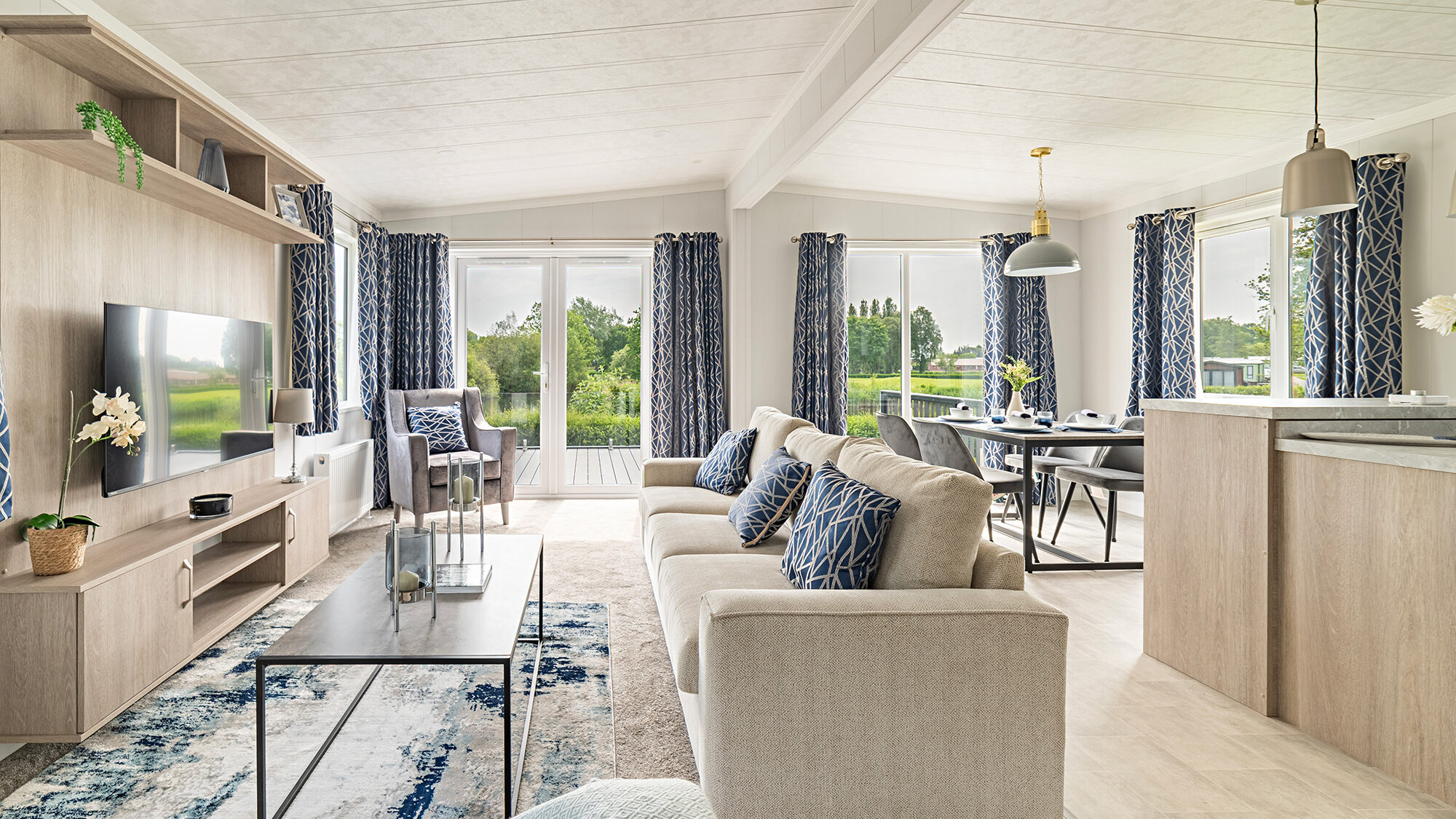
A Pemberton Skydale Lodge at Pearl Lake, Shobdon, Herefordshire
4. Ongoing financial considerations and bills
Many parks offer attractive deals for new buyers like two years of free site fees, for example. These are great offers to get you on the holiday home ownership ladder.
But once the offer period ends, annual site fees kick in, and they can vary considerably. Expect to pay anywhere between £3,000 and £10,000 per year, with larger units typically attracting higher fees. On top of that, you’ll need to budget for:
Annual insurance
Electricity and gas
Water and drainage rates
Winterisation (draining down before the closed season)
If you’re looking at a bricks and mortar home versus a holiday lodge, site fees won’t be a consideration, but council tax will be. If you’re looking at a flat or apartment, you’ll also have a management fee – similar to site fees.
The key question is, can you comfortably afford the site fees every year, not just in year one? If you’re uncertain, it’s worth pausing before you sign.
5. Buying and selling a caravan or lodge is easier than selling a house or flat
Unlike buying or selling a house, the process of purchasing a holiday lodge is quick, affordable, and relatively stress-free. Buying direct from a park can take a matter of weeks rather than months. Most caravans and lodges come fully furnished too, so from the moment you complete, you’re ready to go!
If you have a particular model in mind, many parks will be happy to source it for you. And when the time comes to sell or upgrade, that same simplicity applies.
Part 2 – Location on a holiday park
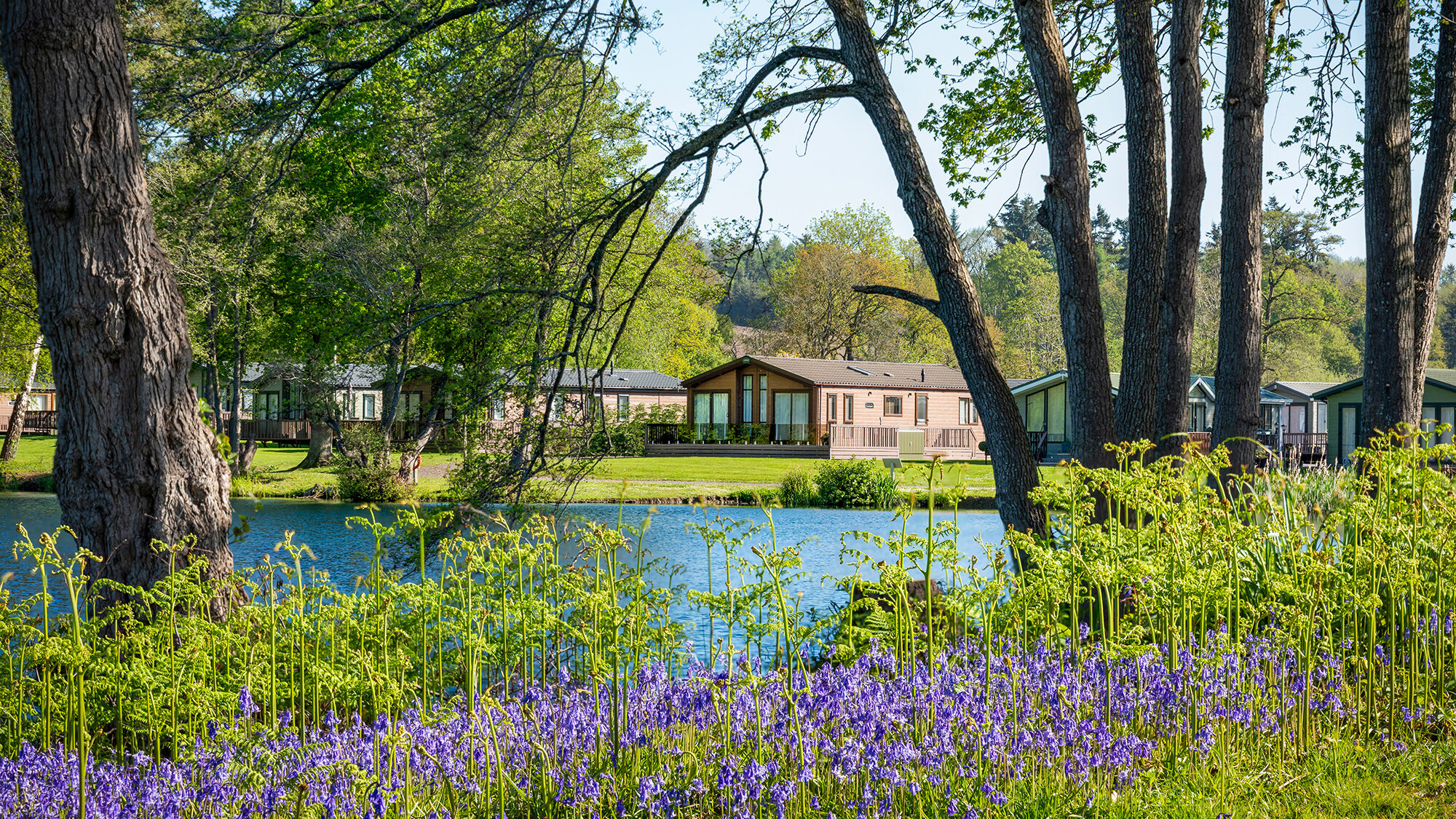
Lakeside Lodges at Pearl Lake, Shobdon, Herefordshire
6. Finding the right spot for your holiday home
Holiday parks are generally located in stunning surroundings. You’ll find them in fabulous countryside, close to lakes and rivers, by the seaside, or far away from the buzz of populated areas. You can put down your holiday roots in beautifully landscaped parks that you don’t have to lift a finger to look after.
Facilities: Parks owned by big groups often have lots of facilities and entertainment, but for some, they can also feel crowded and a bit impersonal. Privately owned parks are real communities – you’ll meet fellow owners, get to know the park’s team members and have access to exclusive owner events and offers.
Advantage: Unlike buying a second home in a town or village, a lodge on a private park doesn’t attract the local friction that buying a bricks and mortar home does in many “honeypot” locations in the UK. You’re part of a ready-made community, don’t deplete local housing stock, and you contribute to the local economy.
7. Research the park, not just the lodge
You love the area, the park looks amazing, but before you buy, do your due diligence:
Read reviews on Google, TripAdvisor, PitchUp, Trustpilot, Facebook etc.
Ask to speak to existing owners. If that request is declined, treat it as a red flag. Happy owners are almost always glad to talk
Find out how long the park has been operating. Has there been a change of park owners? Have many owners recently left? Are the park owners visible and hands-on?
8. Private holiday parks are more secure
Advantage: When you’re not there, your second home needs to be safe, and holiday parks generally have meaningful security in place. They often control access with barriers and licence plate recognition, and there’s CCTV and staff on-site.
The fact that it’s a private site, not open to the general public, adds another layer of reassurance you wouldn’t have with a bricks and mortar holiday home. And with an on-site speed limit of 5mph, there’s little noise or exhaust pollution either.
Part 3 – Which is for you: a lodge or caravan?
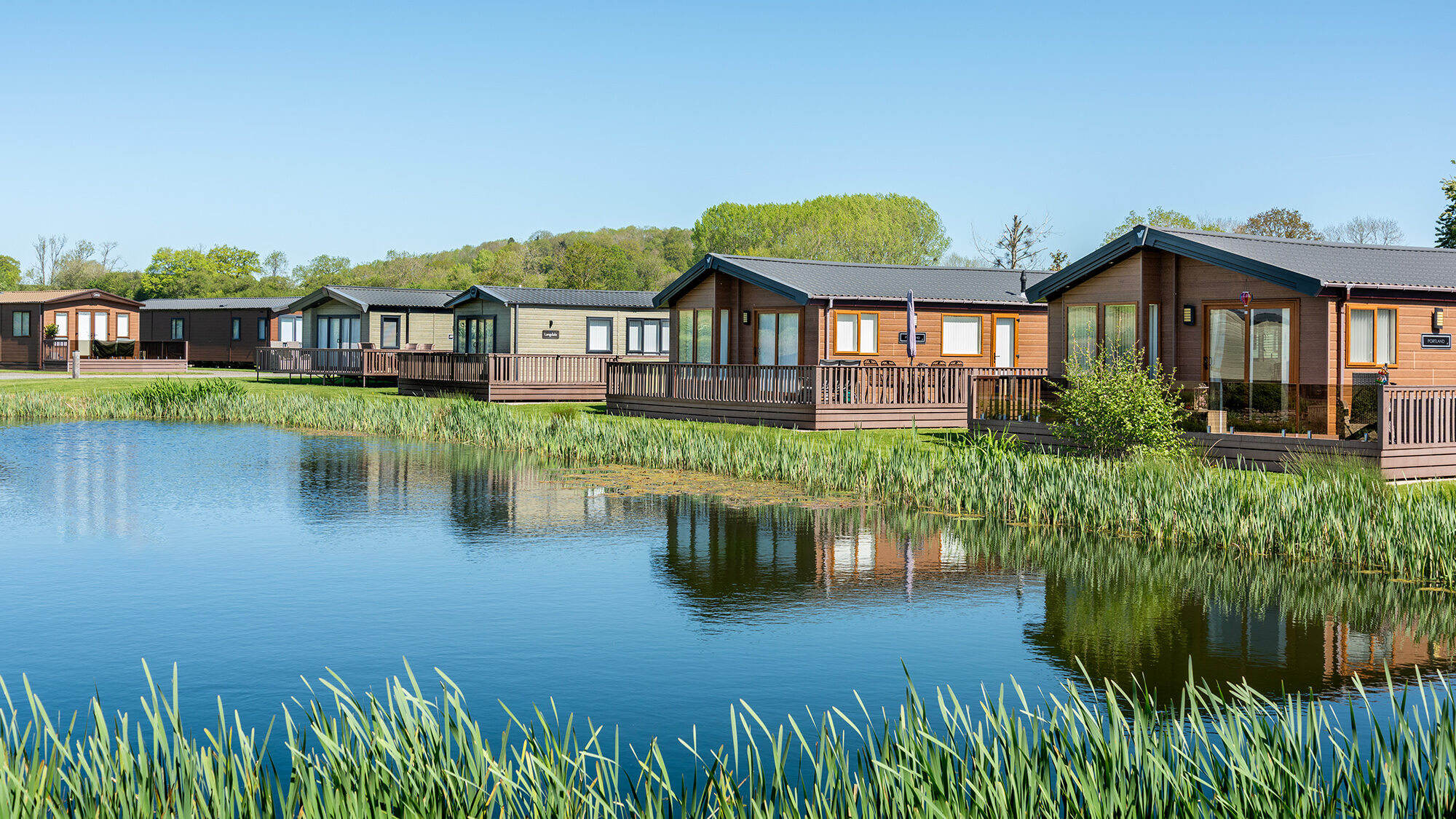
Luxury lodges at Arrow Bank Holiday Park, Eardisland.
9. New or pre-loved? Lodge or static caravan?
Holiday parks typically offer a mix of new and pre-owned homes, and the right choice depends on your budget and your priorities.
A pre-owned home will be kinder to the wallet upfront, but an older unit can come with larger ongoing maintenance costs, so always check the age, condition, and length of licence before you commit.
On the other hand, newer lodges and caravans are built to a high standard – excellent insulation, more efficient heating, weatherproof composite exteriors, and often built to residential spec (BS 3632). The upfront cost is higher, but ongoing maintenance tends to be far less.
10. Lodges are significantly more spacious than caravans
We’ve already outlined some of the financial considerations, but there are some physical ones too.
A lodge is typically 40ft or more in length and around 20ft wide for a double-width unit. A standard static caravan maxes out at around 13–14ft wide.
Advantage: This extra width makes a big difference – lodges can accommodate hallways, utility rooms, generous storage, dressing areas, and walk-in wardrobes, giving you extra comfort and space to spread out. More space also means you can leave more clothes and supplies at the lodge between visits, which means less packing every time.
If you’re an active couple or family who’ll mainly use the lodge for evenings and sleeping, a caravan may be ideal. But for longer stays, or if you’re hosting guests regularly, the lodge’s additional space makes a real difference.
One thing to check: if you want outdoor space and are buying new, factor in the cost of decking – it isn’t always included.
11. Lodges are built to last
Advantage: The best holiday lodges are built to residential standard (BS 3632), meaning they’re properly insulated and structurally sound in all weathers.
They’re simpler in construction than brick-built properties, which actually works in your favour – there’s less to go wrong, and maintenance is minimal. Interior spec is high too: the premium you pay over a caravan buys you noticeably better fixtures and finishes.
Disadvantage: The higher spec means a higher price, and larger units attract higher site fees and running costs. If budget is your primary constraint, a caravan may be the more practical starting point.
12. Caravans and lodges don’t have private gardens
Disadvantage: Neither lodges nor caravans come with their own private gardens. The park’s grounds will be well-maintained, but the outdoor space immediately around your unit is unlikely to be exclusively yours, although at some parks, like Discover, the space to the door side of your home is yours to use and make your own.
Advantage: On the upside, you’ll never need to worry about mowing a lawn! If having your own outdoor area matters to you, check whether decking is an option – either included or available as an add-on. You can then add hanging baskets and plant pots to make the space yours.
Try before you buy
There’s really only one way to know whether a lodge on a holiday park is right for you: stay in one!
Attend holiday park open weekends in the area you’re interested in. That way you can explore the area and the park.
Visit trade shows to get a feel for different lodge models and to help you decide on your priorities (you may not be fussed about a hallway, but a utility room might be non-negotiable)
Book a stay at the park you’re most interested in. A self-catering holiday in a lodge or caravan will give you an authentic feel for the day-to-day atmosphere.
Still weighing it up? For more on what ownership at Discover Parks is really like, read our Ownership page, explore the Owner Lifestyle, or dive into our Buyer’s Guide for a full breakdown of running costs and key considerations.
And when you’re ready to browse caravans and lodges, take a look at our holiday homes for sale.